Kategori: English

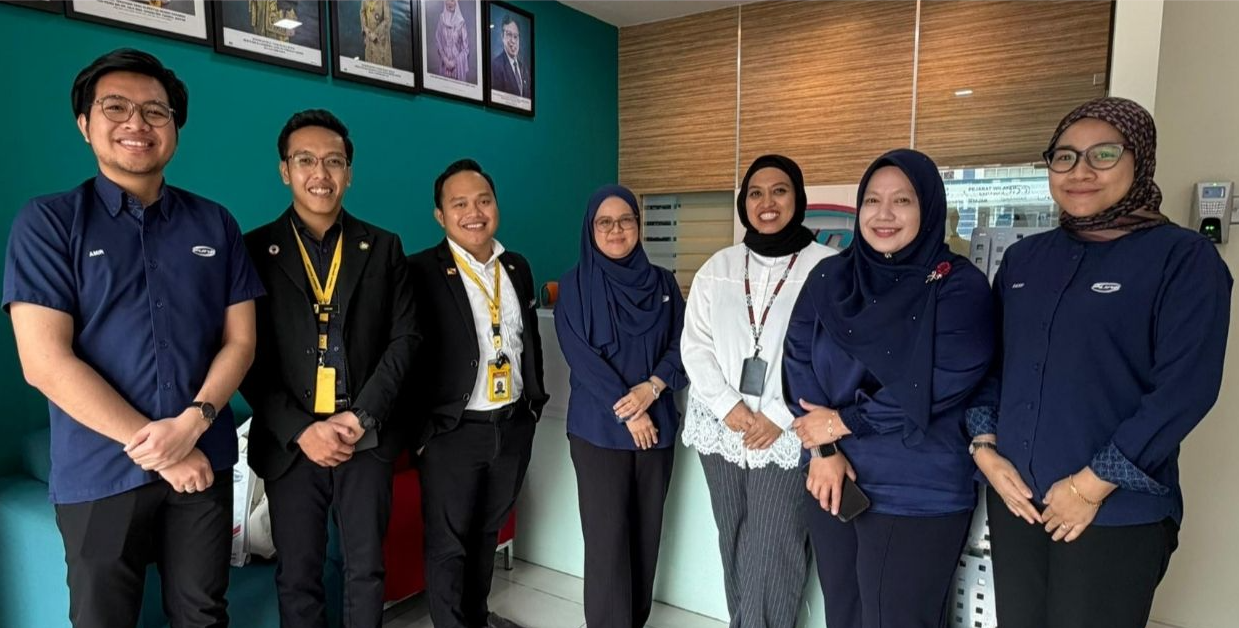
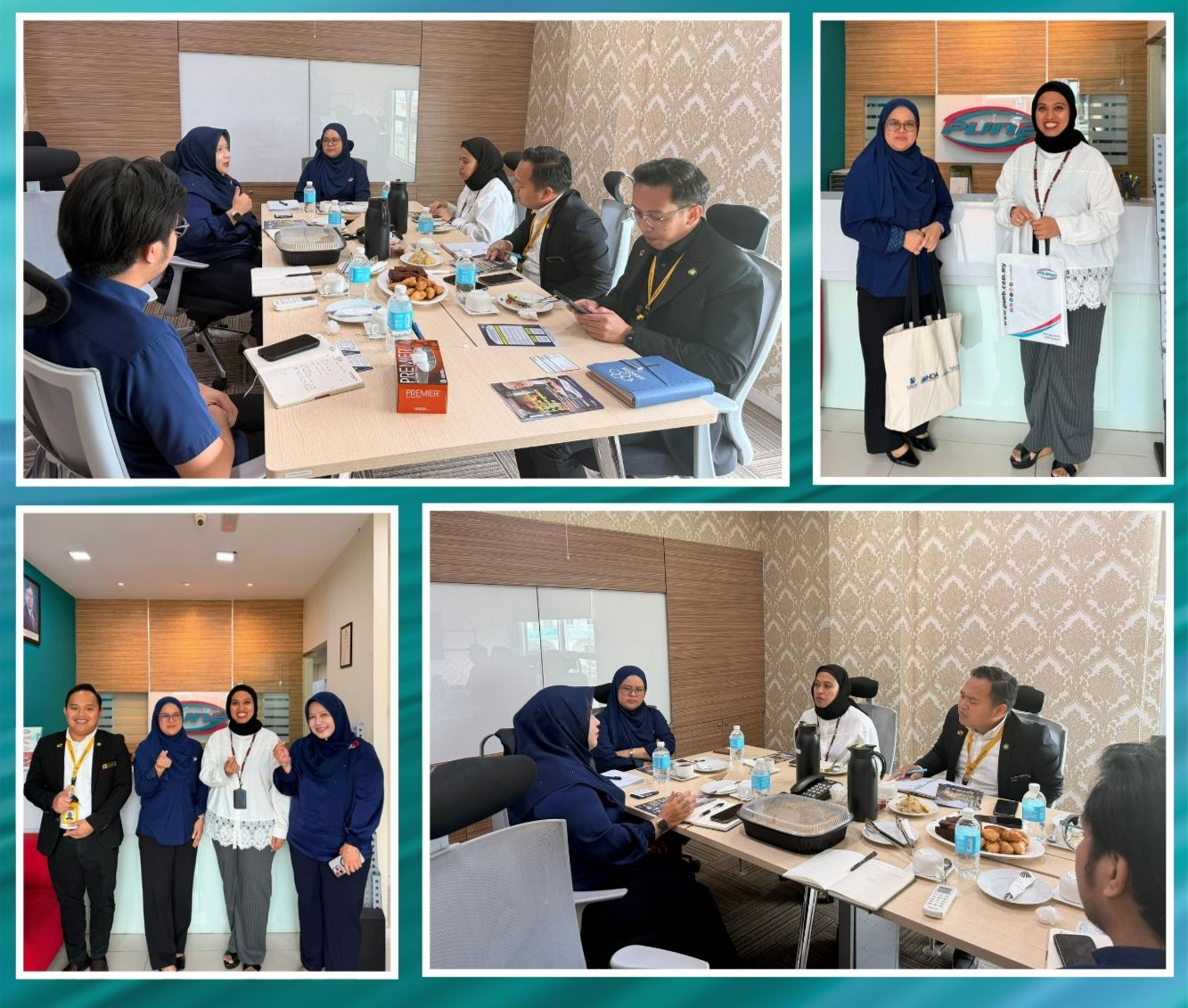
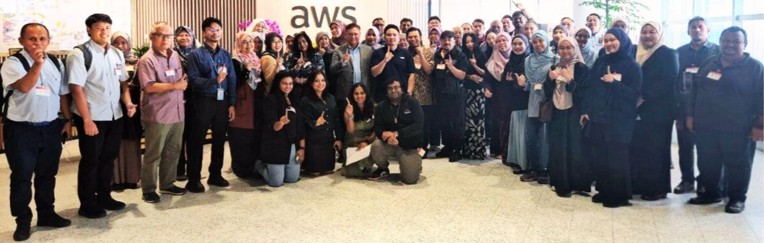
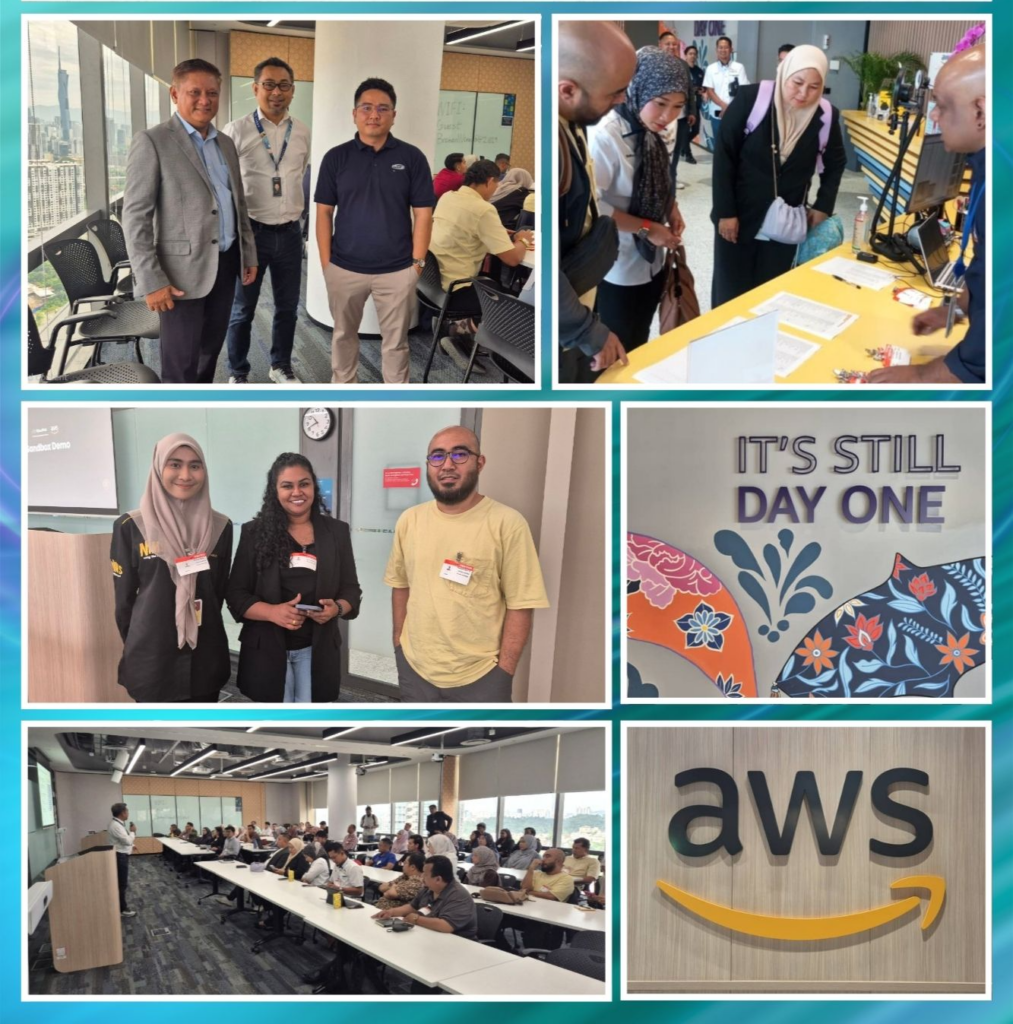
PUNB, AWS Malaysia and 1CloudHub convened at the Amazon Web Services (AWS) Malaysia Head Office in Kuala Lumpur to implement PUNB Velocity, a digital transformation initiative aimed at improving operational efficiency and advancing the utilisation of AWS GenAI among Rakan Usahawan.

Grounded in the principles of the Kerangka MADANI, this initiative supports national efforts to cultivate a progressive, innovative and digitally capable society. By accelerating technology adoption, strengthening human capital and promoting sustainable economic participation, PUNB Velocity aligns with the MADANI values of “Keusahawanan, Keterjaminan dan Kesejahteraan” through the application of modern, technology-enabled business practices.

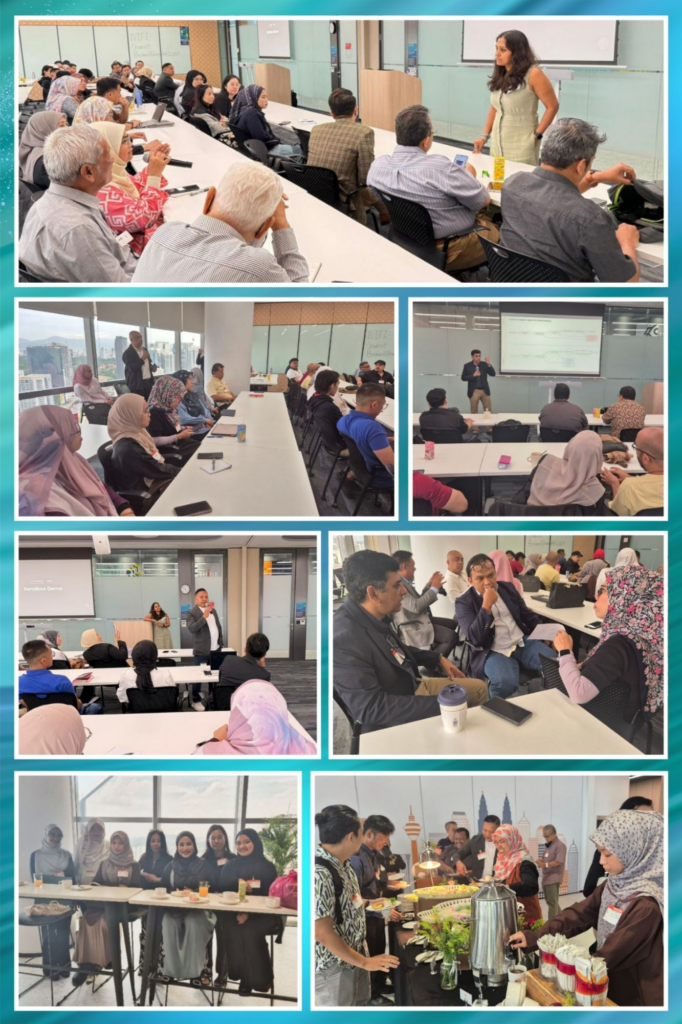
The programme delivered a constructive and informative session that provided participants with the opportunity to share real operational challenges and examine practical, technology-based solutions. Through open dialogue and collaborative engagement, the session demonstrated how digital tools and artificial intelligence can streamline workflows, reduce operational pressures and enable business expansion.

The overall positive environment reflected the strong commitment of participants. Their active participation, openness in sharing insights and readiness to embrace innovation were key contributors to the programme’s success. Our sincere appreciation is extended to all Rakan Usahawan who attended and engaged meaningfully.

As the next step, 1CloudHub will continue to build on the progress achieved by collaborating with interested Rakan Usahawan to co-develop proofs of concept in the coming weeks.

The steadfast support provided by AWS Malaysia remains vital in enhancing the digital readiness of Bumiputera entrepreneurs. This initiative represents a significant milestone in a broader national agenda and we look forward to further strengthening cooperation to unlock new opportunities for innovation and sustainable growth, in line with the MADANI vision for a resilient, inclusive and future-ready Malaysia.

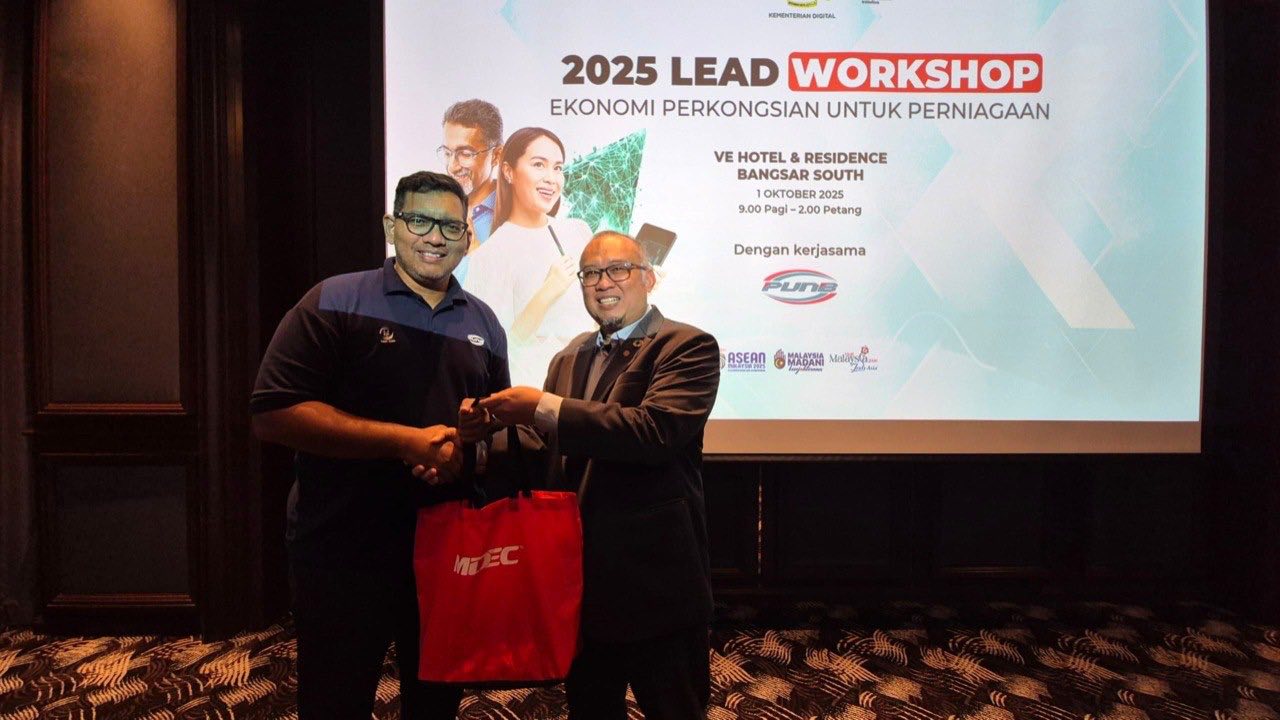
A BIG thank you to all our Rakan Usahawan who made the 2025 LEAD Workshop a success!

Special appreciation to MDEC for being our steadfast partner from day one. Together, we’ve gained invaluable insights on the Sharing Economy for Business – and PUNB is committed to championing the national digitalisation initiative side together.
Moving forward, we’re excited to roll out the Digital Maturity Assessment (“DMA”), a powerful tool to help businesses assess their digitalisation level and identify the next steps to strengthen competitiveness.
Let’s drive growth, digital readiness, and global competitiveness – together!

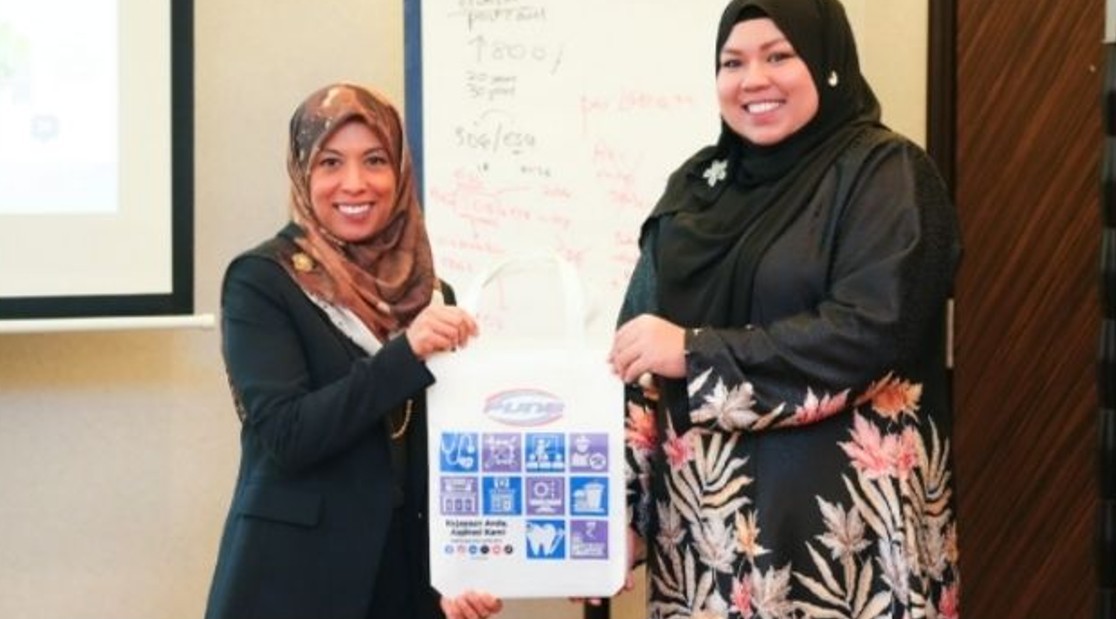
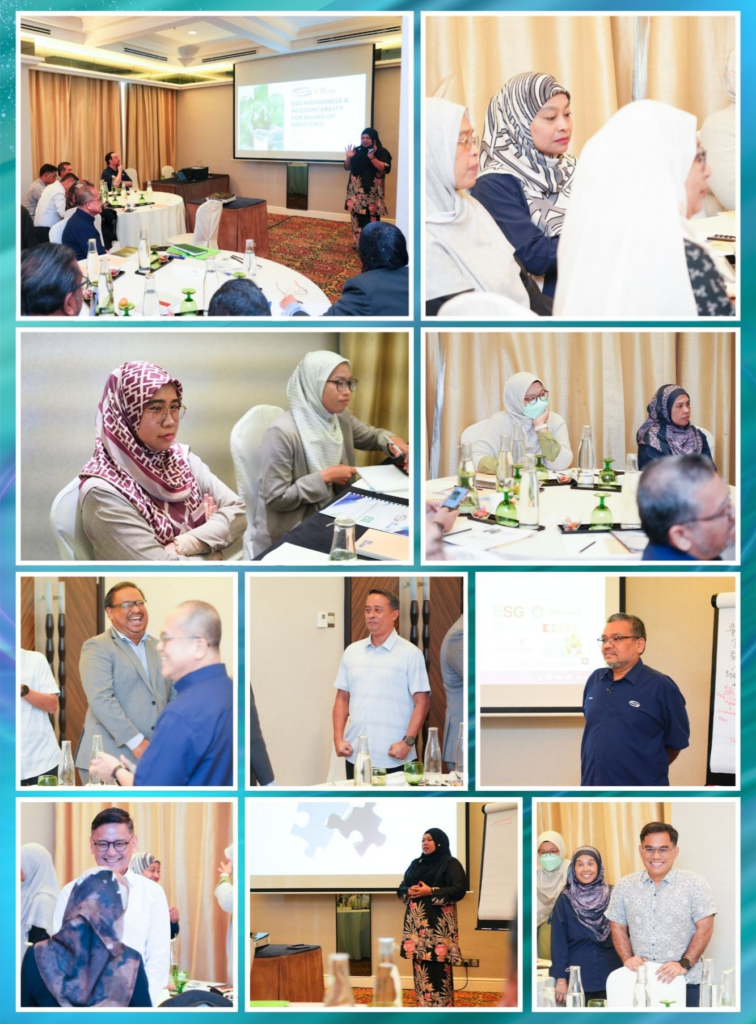
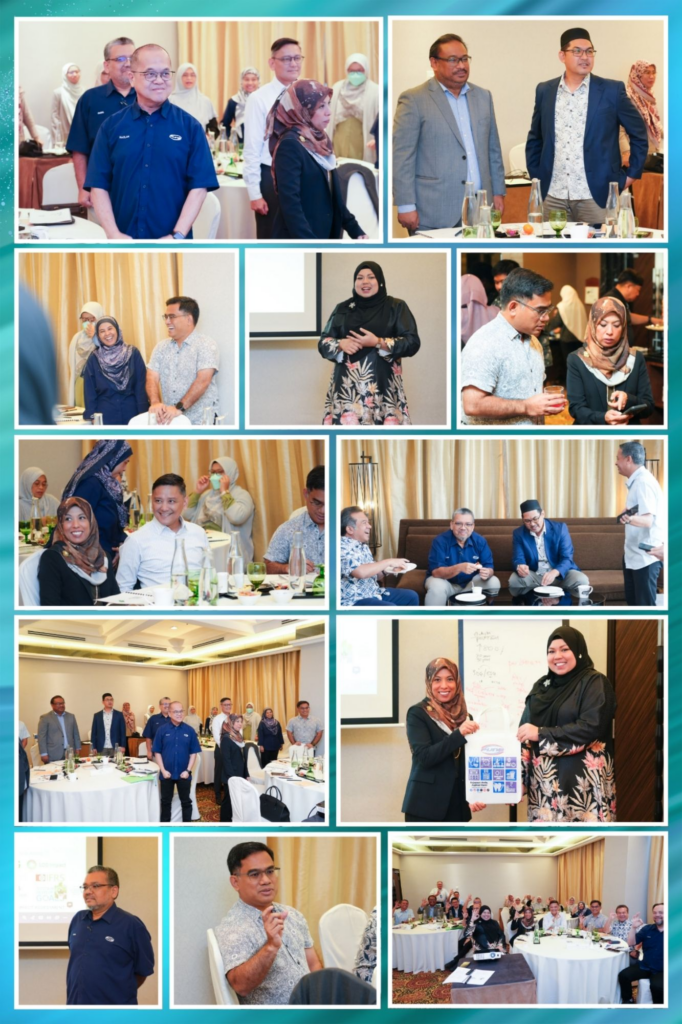
The Company Secretary and Governance Department organised the ESG Awareness and Accountability Programme on 2 October 2025 at The Majestic Hotel, Kuala Lumpur. The programme was attended by members of the Board of Directors and management, including En. Badrulnizam Bahaman, Puan Adleen Abdullah, Chief Executive Officer En. Izwan Zainuddin, EXCO members and Heads of Departments.

The programme aimed to enhance participants’ understanding of Environmental, Social and Governance (ESG) principles and to strengthen accountability in embedding sustainable practices within organisational operations and strategic decision-making.
The session featured Puan Aqim Marzuki, a distinguished sustainability and climate change expert with extensive experience in leading regional and global initiatives.

A tariff is a tax that a government charges on imported goods (products brought in from other countries). Usually, a tariff is an added cost on imported goods and services, which is normally passed on to the consumer.

Why Do Governments Use Tariffs?

  • Rescue for the Government – Taxes collected from imported goods and services help fund public services.
  • Protect Local Businesses – Makes imported goods cost more, so customers buy local.
  • Trade Measure – If a country is trading unfairly, tariffs can be used as leverage to negotiate better trade terms.

Example: The Toy Story 

Imagine:

Malaysia makes teddy bears for RM 20 each.

China also makes teddy bears but sells them for RM 15 (cheaper because of lower labor costs).

Without Tariff:

Malaysians buy Chinese teddy bears because they’re RM 5 cheaper.

Local toy makers lose business.

With 20% Tariff:

China’s teddy bears now cost RM 15 + 20% tax = RM 18.

Malaysians think: “Hmm, local bears (RM 20) are only RM 2 more… I’ll support Malaysian-made!”

So, Local toy makers survive. It ensure fairness for local product to compete with exported product.

Good or Bad? It Depends!

Good for: Local workers, factories and governments.

Bad for: Consumers (pay higher prices) and exporters (lose sales).

Think of it like this to in simpler terms:

Tariffs are like a “shield” for local businesses.

But if used too much, they can start a trade war, where other countries retaliate in the same manner by increasing tariffs on your exported products and services.

Quick Summary

Tariff = Tax on Imports
Goal = Help Local Businesses
Side Effect = Higher Prices

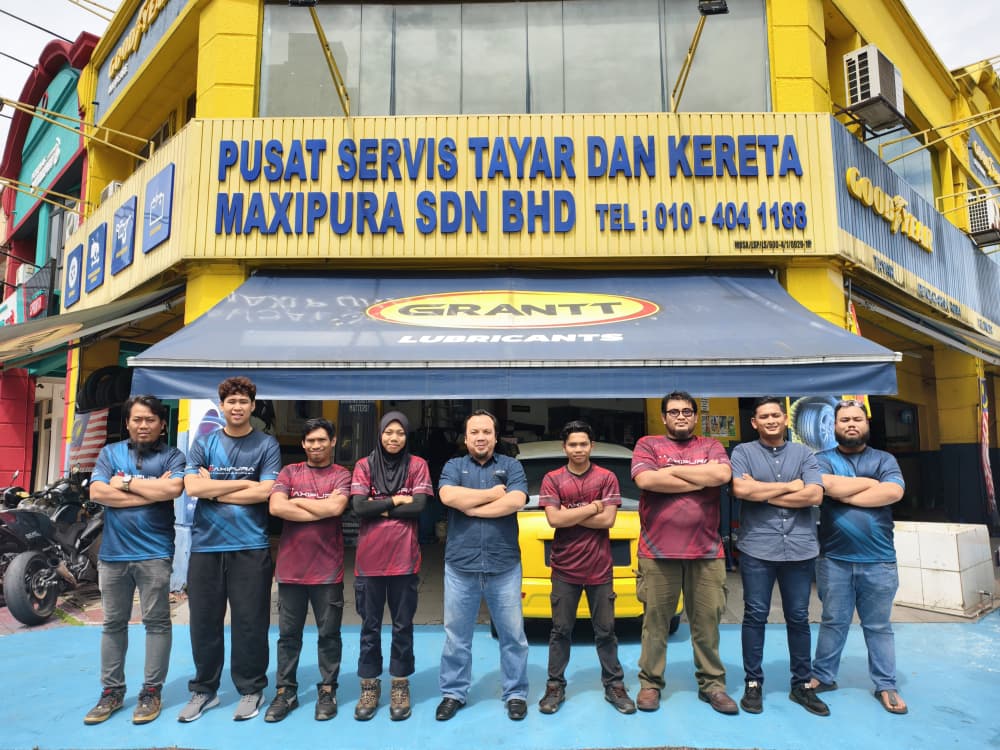
MAXIPURA SDN BHD – Rakan Usahawan PUNB


Building A Legacy in Automotive Sector

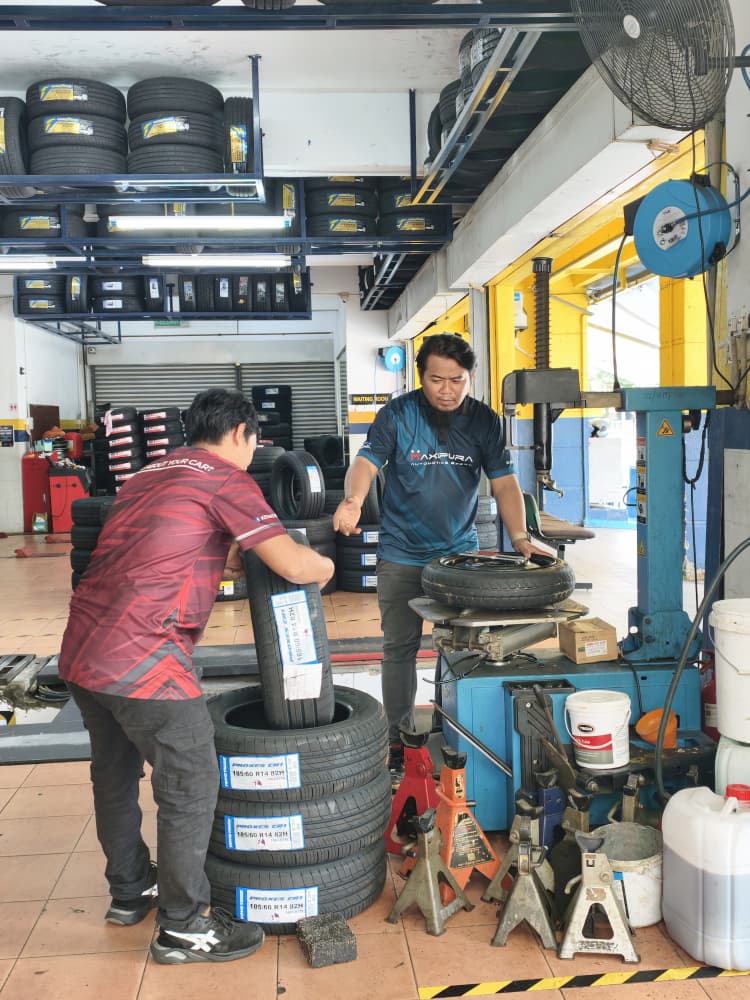
“At Maxipura, we sell happiness to our customers,” said Encik Zuraiman, who has led Maxipura Sdn. Bhd. for nearly 15 years. The meaning behind its name is special, rooted in Sanskrit meaning “sacred city”. Encik Zuraiman initially took over Maxipura from his friend, knowing its potential to penetrate the market that was predominantly dominated by non-Bumiputera entrepreneurs at the time.

From one single outlet to eight outlets did not happen in the blink of an eye. From five staff to now over 155 staff outlets, this growth exemplifies Encik Zuraiman’s dedication and passion to thrive in the highly competitive automotive industry. His indument in the automotive industry started at Goodyear Tire and Rubber Company, where he joined the sales and marketing team despite initially being offered the role of Regional Auditor for Asia Pacific on his rarely aetheric background.

Collaborative Effort of All Team Members

When asked what sets Maxipura apart from competitors, Encik Zuraiman emphasises: “I have good team members and competent staff who have supported me from the beginning.” Managing 155 staff is not an easy task, however, with strong leadership from top management, especially from Encik Zuraiman himself, Maxipura able to sustain its market presence while planning strategic growth and diversification. He also mentioned that Maxipura did not differentiate its staff based on gender or race. The company welcomes individuals from diverse ethnic backgrounds, including Chinese, Indian, and Orang Asli communities. “As long as they are willing to learn and have the right attitude, we are more than happy to accept them to be part of Maxipura,” he said.

Customer’s Happiness

The reason behind Maxipura’s slogan of “selling happiness” is simple yet meaningful. “When people come to us, their faces show how stressful it is when the car breaks down. We are here to help them, reassure them, and fix the problem. You can see their face enlightened after that,” he said. That is why it became Maxipura’s slogan, as customer happiness and satisfaction are ultimately the company’s main goals.

Business Is About Networking

Networking plays a vital role in Maxipura’s business strategy, enabling the company to build strong relationships with stakeholders and better understand their needs and expectations. Through active networking, Maxipura gains valuable insights into market trends and customer preferences, supporting with more informed decision-making. Additionally, networking fosters collaboration and innovation, driving sustainable growth. It also opens doors to new opportunities and partnerships, strengthening the company’s competitive edge. Ultimately, effective networking is essential for meeting diverse stakeholder needs and ensuring long-term success.

PUNB’s Role in Maxipura

Encik Zuraiman knew about PUNB in 2004 while working with Goodyear Tire and Rubber Company. At that time, he mentioned that he did not see the need for financing for his business. However, in 2013, recognising the importance of securing funds to expand the company, he decided to apply for financing with PUNB. He was encouraged by the dedication shown by PUNB’s team, who were committed to supporting his success in the industry.

Future Vision of Maxipura

Encik Zuraiman believes there is always room for improvement and considers Maxipura to be the second-leading tyre service provider in the market. This mindset drives the company to continually learn from the best and aspire to become the best. Looking ahead, Encik Zuraiman plans to expand Maxipura to other states across Malaysia, with the goal of establishing 50 outlets, with the objective of making it convenient for their customers.

Additionally, Maxipura aims to contribute to society through a tailored corporate social responsibility (CSR) program. The company plans to initiate an outreach program with schools to promote environmental awareness. Encik Zuraiman believes that CSR is not only a key part of Maxipura’s branding strategy but also strengthens its image within the community.

Advice for Young Entrepreneurs

Encik Zuraiman believes that three key factors are essential for becoming a successful entrepreneur: learning the fundamentals of business, having the courage to start, and having a genuine passion for running the business. He also emphasises the importance of building a strong network before starting a business, as it provides valuable opportunities to learn from others’ experiences. Last but not least, he mentioned that the intention behind doing business must be good, while at the same time, one must continue praying, making dedicated efforts to run the business, and have tawakkal, as everything comes from Allah the Almighty.

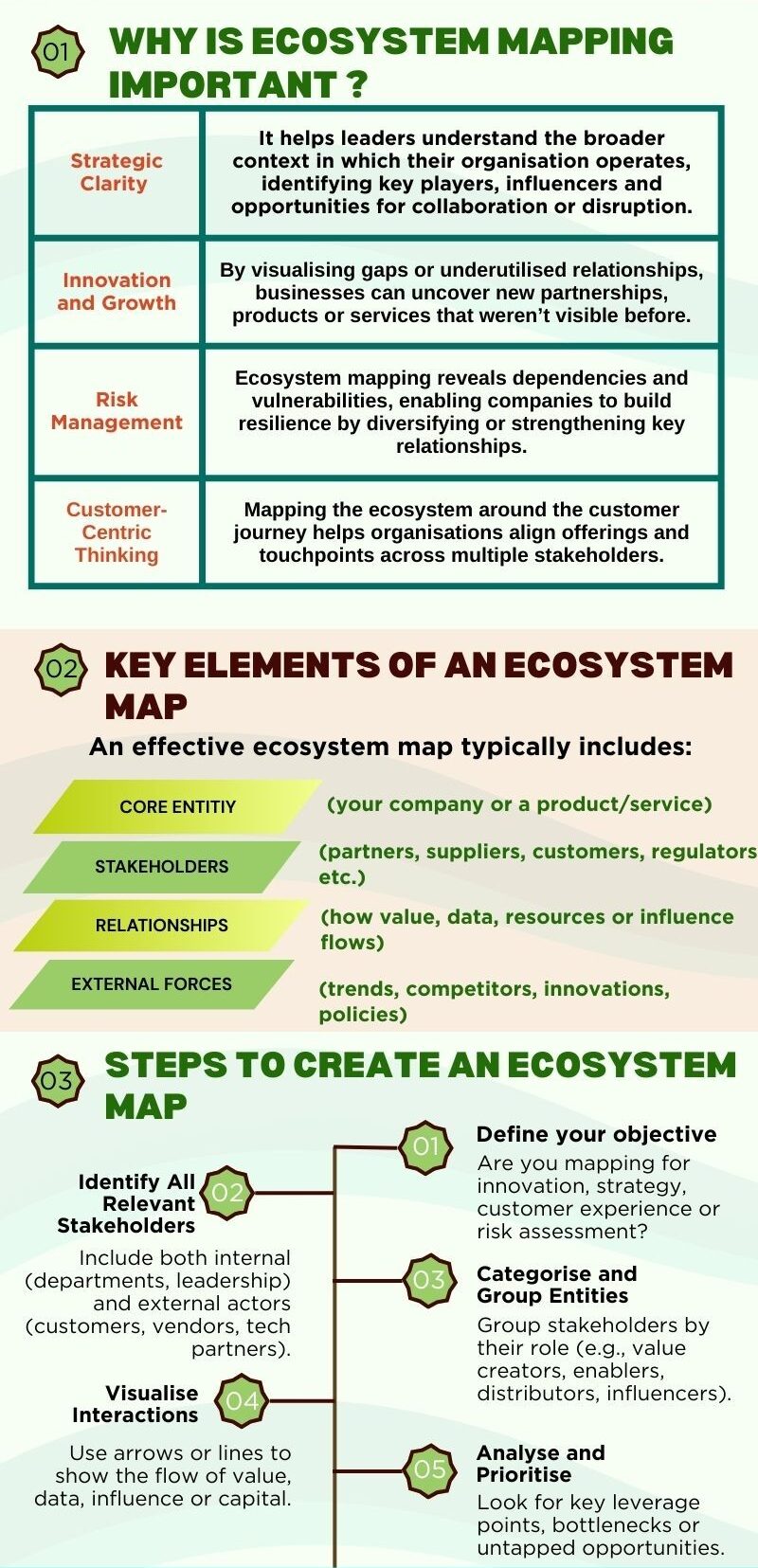
What Is Ecosystem Mapping?

Ecosystem mapping is a strategic tool that helps organisations visualise the relationships and interdependencies among various stakeholders in their business environment. It provides a holistic view of how value is created, exchanged and sustained within a network of actors.

Rather than focusing only on direct supply chains or internal structures, ecosystem mapping highlights external connections and cross-industry interactions that influence a business’s performance and opportunities.

Ecosystem mapping empowers businesses to see the bigger picture, uncover hidden opportunities and design more adaptive strategies. In a world where collaboration is often more powerful than competition, understanding your ecosystem is no longer optional — it’s essential.

Corporate Social Responsibility (CSR) has become an important part of modern businesses. It’s not just about making profits anymore; businesses are expected to contribute positively to society. CSR can include helping the environment, treating employees fairly, supporting local communities, and donating to good causes. By practicing CSR, companies can build a good reputation, attract customers, and improve their long-term success.

On the whole, Corporate Social Responsibility (CSR) has become essential for long-term business success. It helps build a strong brand reputation, attract talent, and improve financial performance while reducing risks and fostering innovation. CSR is not just about giving back; it’s a way for companies to do well by doing good. In today’s socially conscious world, businesses that embrace CSR are better positioned to succeed and make a lasting positive impact on society.

Empowering women in entrepreneurship isn’t just a matter of fairness—it’s a strategic move that fuels innovation, economic growth and community resilience. Here’s how individuals, organizations and governments can create environments where women entrepreneurs not only survive, but thrive.


Empowering women in entrepreneurship is more than a trend—it’s a transformative movement. When women have the tools, capital, and support they need, they create businesses that are more innovative, socially conscious and resilient.

Whether you’re an investor, educator, policymaker or fellow entrepreneur—your support can be the catalyst that helps a woman founder change the world.


Workplace conflict refers to any disagreement or tension between individuals or groups within a work environment. It can arise from a variety of sources and can affect productivity, morale and overall workplace dynamics. Handling workplace conflict involves understanding the root cause, maintaining professionalism, and working collaboratively toward a resolution. Here’s a structured approach:


Tips for Leaders

  • Foster a positive environment: Encourage open communication and respect within your team.
  • Address issues early: Prevent conflicts from escalating by addressing them as soon as they arise.
  • Model conflict resolution: Demonstrate how to handle disagreements constructively.

In Malaysia, viral trends businesses have transformed the entrepreneurial landscape, driven by social media platforms like TikTok, Instagram, Facebook and X (formerly Twitter). Recent trends include the exclusive TikTok Shop offerings and the popularity of live stores on social media platforms.

However, is opening a business based on viral trends truly sustainable? And should entrepreneurs go big immediately or start small? Let’s explore the pros and cons of venturing into a viral trends business and the best approach to growth.


Starting a business based on viral trends in Malaysia can be highly rewarding, but it requires careful strategy and foresight. Entrepreneurs should capitalize on social media marketing, test the waters with minimal risk, and ensure they have a plan for long-term sustainability. Whether going big or starting small, adaptability and innovation are the keys to lasting success in the ever-evolving digital economy.

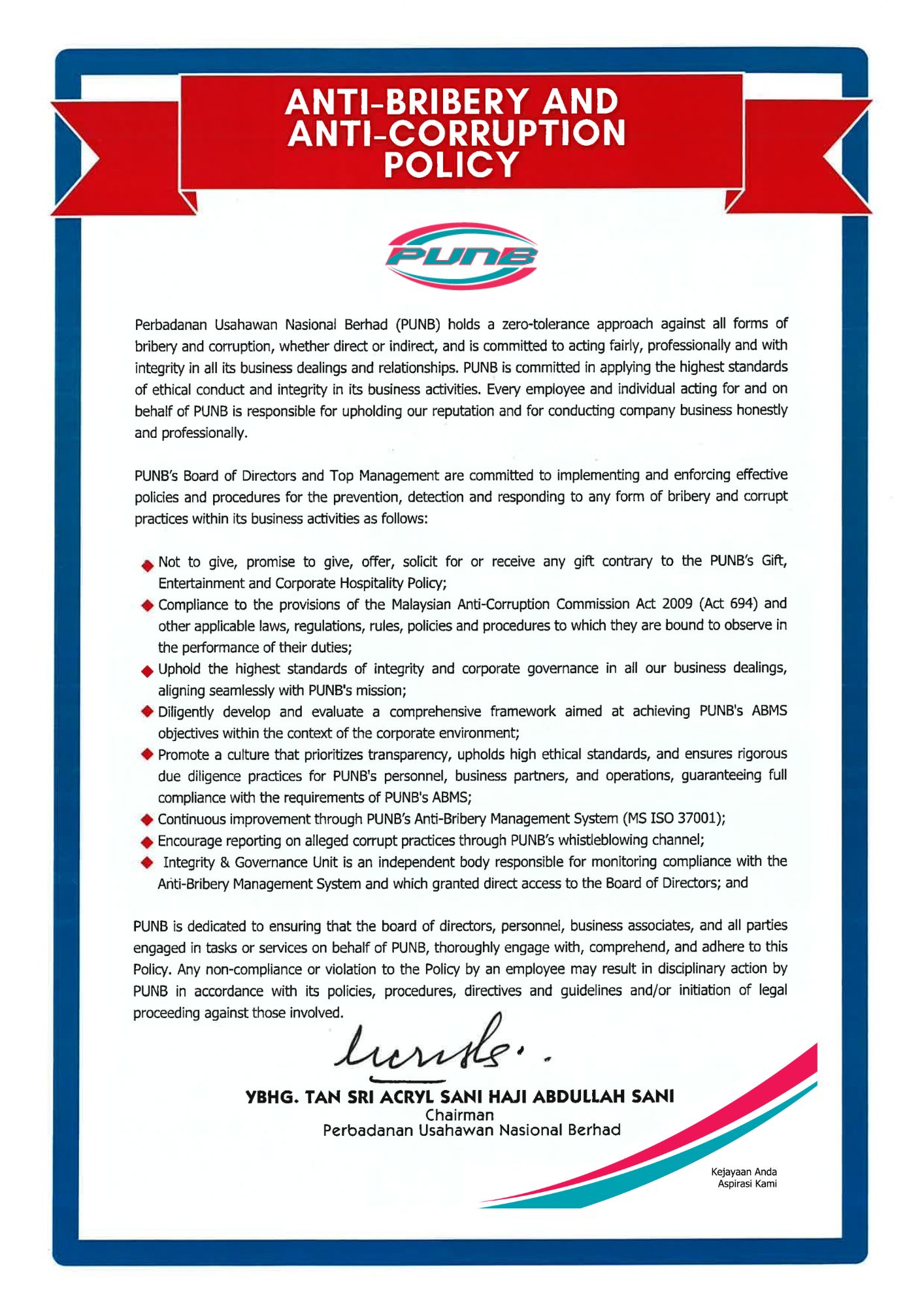
Read Policy

Kami Menghargai Maklum Balas Anda!

    Soalan 1

    Pengalaman Keseluruhan:

    Bagaimanakah anda menilai pengalaman keseluruhan anda di portal rasmi kami?

    Soalan 2

    Pencarian Maklumat:

    Adakah mudah untuk mencari maklumat yang anda cari?

    Soalan 3

    Bahagian Bantuan:

    Bahagian mana pada portal rasmi kami yang paling membantu anda?

    Soalan 4

    Jangkaan Laman Sesawang:

    Adakah portal rasmi kami memenuhi jangkaan anda?

    Soalan 5

    Kebarangkalian untuk Kembali:

    Adakah anda akan kembali ke portal rasmi kami pada masa hadapan?