Entrepreneur

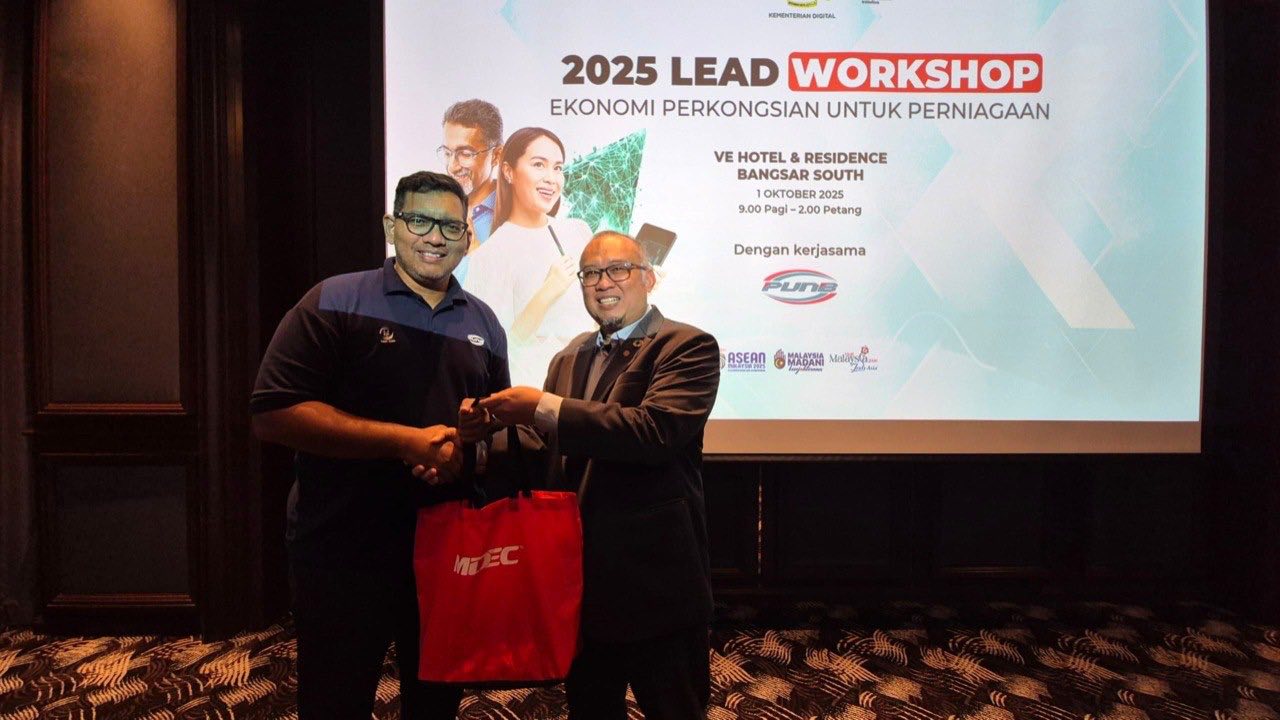
A BIG thank you to all our Rakan Usahawan who made the 2025 LEAD Workshop a success!

Special appreciation to MDEC for being our steadfast partner from day one. Together, we’ve gained invaluable insights on the Sharing Economy for Business – and PUNB is committed to championing the national digitalisation initiative side together.
Moving forward, we’re excited to roll out the Digital Maturity Assessment (“DMA”), a powerful tool to help businesses assess their digitalisation level and identify the next steps to strengthen competitiveness.
Let’s drive growth, digital readiness, and global competitiveness – together!

A tariff is a tax that a government charges on imported goods (products brought in from other countries). Usually, a tariff will be an added cost to imported goods and services, which is normally passed on to the consumer.

Why Do Governments Use Tariffs?

  • Rescue for the Government – Taxes collected from imported goods and services fund public services.
  • Protect Local Businesses – Makes imported goods cost more, so customers buy local.
  • Trade Measure – If a country is trading unfairly, tariffs can be used as leverage to negotiate better trade terms.

Example: The Toy Story 

Imagine:

Malaysia makes teddy bears for RM 20 each.

China also makes teddy bears but sells them for RM 15 (cheaper because of lower labor costs).

Without Tariff:

Malaysians buy Chinese teddy bears because they’re RM 5 cheaper.

Local toy makers lose business.

With 20% Tariff:

China’s teddy bears now cost RM 15 + 20% tax = RM 18.

Malaysians think: “Hmm, local bears (RM 20) are only RM 2 more… I’ll support Malaysian-made!”

So, Local toy makers survive. It ensure fairness for local product to compete with exported product.

Good or Bad? It Depends!

Good for: Local workers, factories and governments.

Bad for: Consumers (pay higher prices) and exporters (lose sales).

Think of it like this to in simpler terms:

Tariffs are like a “shield” for local businesses.

But if used too much, they can start a trade war, where other countries will retaliate in the same manner by increasing tariffs on your exported products and services.

Quick Summary

Tariff = Tax on Imports
Goal = Help Local Businesses
Side Effect = Higher Prices

A tariff is a tax that a government charges on imported goods (products brought in from other countries). Usually, a tariff is an added cost on imported goods and services, which is normally passed on to the consumer.

Why Do Governments Use Tariffs?

  • Rescue for the Government – Taxes collected from imported goods and services help fund public services.
  • Protect Local Businesses – Makes imported goods cost more, so customers buy local.
  • Trade Measure – If a country is trading unfairly, tariffs can be used as leverage to negotiate better trade terms.

Example: The Toy Story 

Imagine:

Malaysia makes teddy bears for RM 20 each.

China also makes teddy bears but sells them for RM 15 (cheaper because of lower labor costs).

Without Tariff:

Malaysians buy Chinese teddy bears because they’re RM 5 cheaper.

Local toy makers lose business.

With 20% Tariff:

China’s teddy bears now cost RM 15 + 20% tax = RM 18.

Malaysians think: “Hmm, local bears (RM 20) are only RM 2 more… I’ll support Malaysian-made!”

So, Local toy makers survive. It ensure fairness for local product to compete with exported product.

Good or Bad? It Depends!

Good for: Local workers, factories and governments.

Bad for: Consumers (pay higher prices) and exporters (lose sales).

Think of it like this to in simpler terms:

Tariffs are like a “shield” for local businesses.

But if used too much, they can start a trade war, where other countries retaliate in the same manner by increasing tariffs on your exported products and services.

Quick Summary

Tariff = Tax on Imports
Goal = Help Local Businesses
Side Effect = Higher Prices

Building A Legacy in Automotive Sector

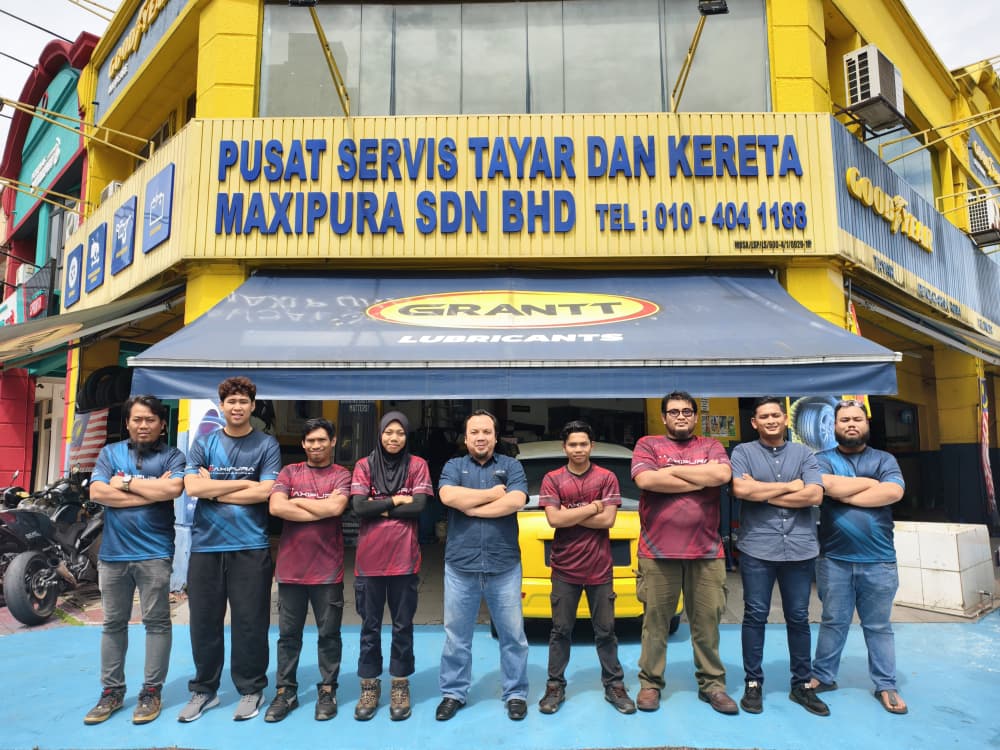
“At Maxipura, we sell happiness to our customers,” said Encik Zuraiman, who has led Maxipura Sdn. Bhd. for nearly 15 years. The meaning behind its name is special, rooted in Sanskrit meaning “sacred city”. Encik Zuraiman initially took over Maxipura from his friend, knowing its potential to penetrate the market that was predominantly dominated by non-Bumiputera entrepreneurs at the time.

From one single outlet to eight outlets did not happen in the blink of an eye. From five staff to now over 155 staff outlets, this growth exemplifies Encik Zuraiman’s dedication and passion to thrive in the highly competitive automotive industry. His indument in the automotive industry started at Goodyear Tire and Rubber Company, where he joined the sales and marketing team despite initially being offered the role of Regional Auditor for Asia Pacific on his rarely aetheric background.
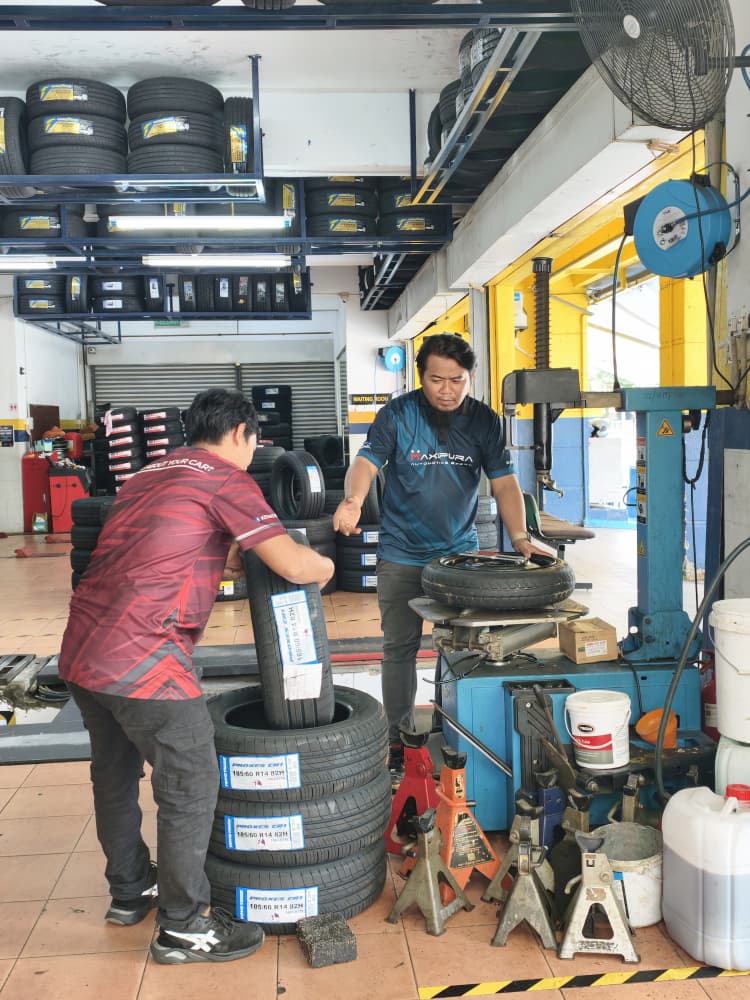
Collaborative Effort of All Team Members

When asked what sets Maxipura apart from competitors, Encik Zuraiman emphasises: “I have good team members and competent staff who have supported me from the beginning.” Managing 155 staff is not an easy task, however, with strong leadership from top management, especially from Encik Zuraiman himself, Maxipura able to sustain its market presence while planning strategic growth and diversification. He also mentioned that Maxipura did not differentiate its staff based on gender or race. The company welcomes individuals from diverse ethnic backgrounds, including Chinese, Indian, and Orang Asli communities. “As long as they are willing to learn and have the right attitude, we are more than happy to accept them to be part of Maxipura,” he said.

Customer’s Happiness

The reason behind Maxipura’s slogan of “selling happiness” is simple yet meaningful. “When people come to us, their faces show how stressful it is when the car breaks down. We are here to help them, reassure them, and fix the problem. You can see their face enlightened after that,” he said. That is why it became Maxipura’s slogan, as customer happiness and satisfaction are ultimately the company’s main goals.

Business Is About Networking

Networking plays a vital role in Maxipura’s business strategy, enabling the company to build strong relationships with stakeholders and better understand their needs and expectations. Through active networking, Maxipura gains valuable insights into market trends and customer preferences, supporting with more informed decision-making. Additionally, networking fosters collaboration and innovation, driving sustainable growth. It also opens doors to new opportunities and partnerships, strengthening the company’s competitive edge. Ultimately, effective networking is essential for meeting diverse stakeholder needs and ensuring long-term success.
PUNB’s Role in Maxipura

Encik Zuraiman knew about PUNB in 2004 while working with Goodyear Tire and Rubber Company. At that time, he mentioned that he did not see the need for financing for his business. However, in 2013, recognising the importance of securing funds to expand the company, he decided to apply for financing with PUNB. He was encouraged by the dedication shown by PUNB’s team, who were committed to supporting his success in the industry.

Future Vision of Maxipura

Encik Zuraiman believes there is always room for improvement and considers Maxipura to be the second-leading tyre service provider in the market. This mindset drives the company to continually learn from the best and aspire to become the best. Looking ahead, Encik Zuraiman plans to expand Maxipura to other states across Malaysia, with the goal of establishing 50 outlets, with the objective of making it convenient for their customers.

Additionally, Maxipura aims to contribute to society through a tailored corporate social responsibility (CSR) program. The company plans to initiate an outreach program with schools to promote environmental awareness. Encik Zuraiman believes that CSR is not only a key part of Maxipura’s branding strategy but also strengthens its image within the community.

Advice for Young Entrepreneurs

Encik Zuraiman believes that three key factors are essential for becoming a successful entrepreneur: learning the fundamentals of business, having the courage to start, and having a genuine passion for running the business. He also emphasises the importance of building a strong network before starting a business, as it provides valuable opportunities to learn from others’ experiences. Last but not least, he mentioned that the intention behind doing business must be good, while at the same time, one must continue praying, making dedicated efforts to run the business, and have tawakkal, as everything comes from Allah the Almighty.

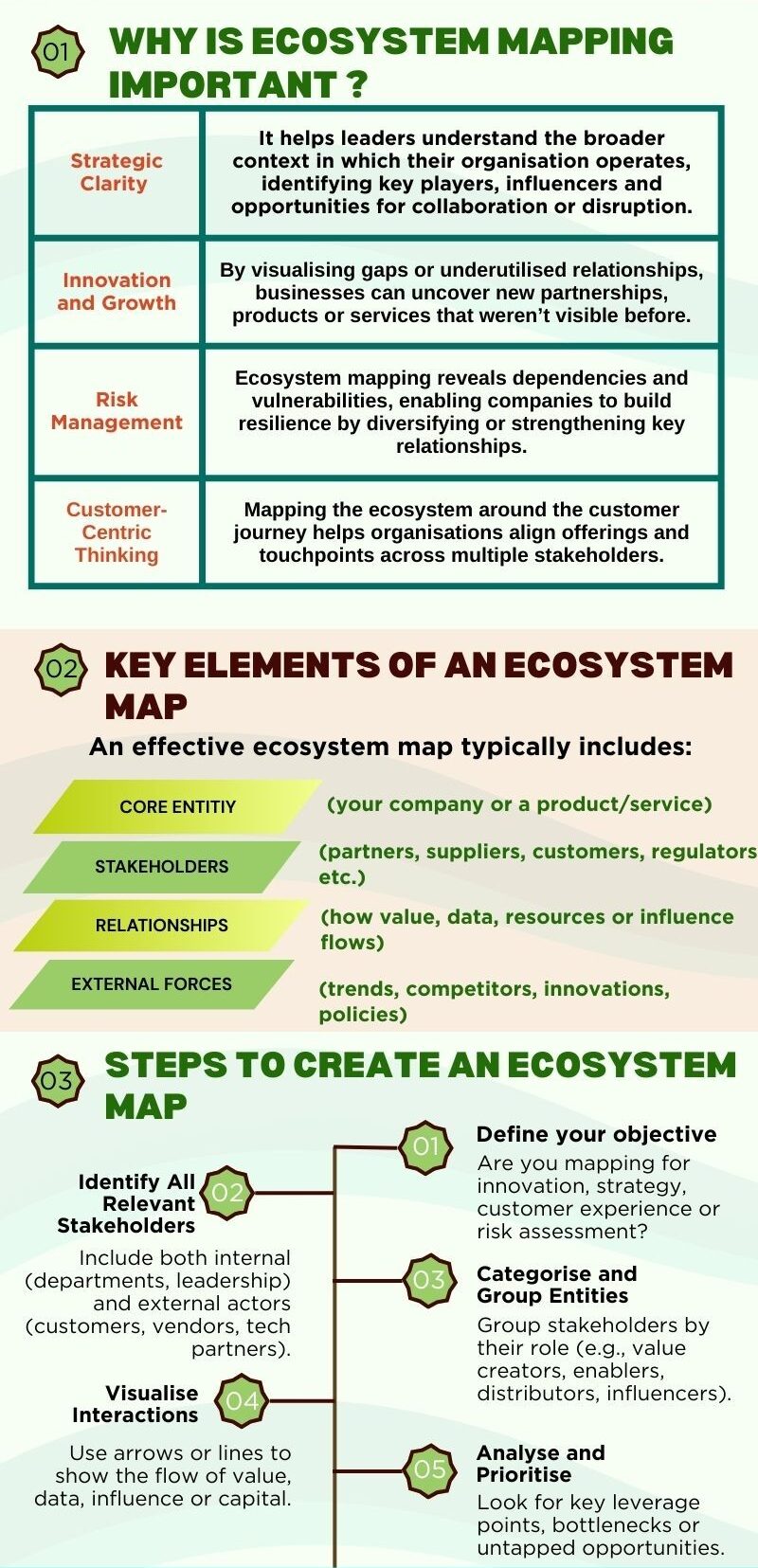
What Is Ecosystem Mapping?

Ecosystem mapping is a strategic tool that helps organisations visualise the relationships and interdependencies among various stakeholders in their business environment. It provides a holistic view of how value is created, exchanged and sustained within a network of actors.

Rather than focusing only on direct supply chains or internal structures, ecosystem mapping highlights external connections and cross-industry interactions that influence a business’s performance and opportunities.

Why Is Ecosystem Mapping Important?

  • Strategic Clarity
    It helps leaders understand the broader context in which their organisation operates, identifying key players, influencers and opportunities for collaboration or disruption.
  • Innovation and Growth
    By visualising gaps or underutilised relationships, businesses can uncover new partnerships, products or services that weren’t visible before.
  • Risk Management
    Ecosystem mapping reveals dependencies and vulnerabilities, enabling companies to build resilience by diversifying or strengthening key relationships.
  • Customer-Centric Thinking
    Mapping the ecosystem around the customer journey helps organisations align offerings and touchpoints across multiple stakeholders.

Key Elements of an Ecosystem Map

An effective ecosystem map typically includes:

  • Core Entity (your company or a product/service)
  • Stakeholders (partners, suppliers, customers, regulators, etc.)
  • Relationships (how value, data, resources or influence flows)
  • External Forces (trends, competitors, innovations, policies)

Steps to Create an Ecosystem Map

  • Define Your Objective
    Are you mapping for innovation, strategy, customer experience or risk assessment?
  • Identify All Relevant Stakeholders
    Include both internal (departments, leadership) and external actors (customers, vendors, tech partners).
  • Categorise and Group Entities
    Group stakeholders by their role (e.g., value creators, enablers, distributors, influencers).
  • Visualise Interactions
    Use arrows or lines to show the flow of value, data, influence or capital.
  • Analyse and Prioritise
    Look for key leverage points, bottlenecks or untapped opportunities.

Ecosystem mapping empowers businesses to see the bigger picture, uncover hidden opportunities and design more adaptive strategies. In a world where collaboration is often more powerful than competition, understanding your ecosystem is no longer optional — it’s essential.

Corporate Social Responsibility (CSR) has become an important part of modern businesses. It’s not just about making profits anymore; businesses are expected to contribute positively to society. CSR can include helping the environment, treating employees fairly, supporting local communities, and donating to good causes. By practicing CSR, companies can build a good reputation, attract customers, and improve their long-term success.

On the whole, Corporate Social Responsibility (CSR) has become essential for long-term business success. It helps build a strong brand reputation, attract talent, and improve financial performance while reducing risks and fostering innovation. CSR is not just about giving back; it’s a way for companies to do well by doing good. In today’s socially conscious world, businesses that embrace CSR are better positioned to succeed and make a lasting positive impact on society.

Customer-centricity, the practice of putting customer needs and satisfaction at the forefront of business decisions, is essential for long-term success. By focusing on what customers want and need, business can build loyalty, increase satisfaction and ensure sustainable growth.

    Conclusion

    By focusing on your customers’ needs and experiences, you create stronger relationships, boost loyalty and enhance the entrepreneurs’ competitive position. This approach leads to increase customer retention, higher sales and on-going innovation. Ultimately, this approach is more adaptable to changes and challenges, ensuring continued relevance and growth in a dynamic market.

    Handling stress in business is crucial for maintaining productivity, making effective decisions, and maintaining your overall well-being. Let’s find out some strategies to help you manage stress:


    Integrated entrepreneurial packages provide a comprehensive approach in establishing and expanding a business by combining essential tools, resources and services into a cohesive solution. These packages include everything an entrepreneur needs to successfully launch and manage their business, from business planning and financial management to marketing and customer support. Integrated packages save time and money and streamline the process of handling multiple services by offering a unified platform. Entrepreneurs can focus on innovation and growth, knowing they have the resources to overcome obstacles and seize opportunities. In a highly competitive marketplace, these all-in-one solutions offer businesses a significant advantage by enabling them to operate more efficiently and effectively.


    Conclusion

    Integrated entrepreneurial packages are crucial for turning business dreams into reality for Bumiputera entrepreneurs by offering financial support, mentorship, training and networking. This comprehensive support helps them succeed and fosters a thriving entrepreneurial ecosystem that boosts economic growth and innovation.

    In the digital age, data has become one of the most valuable assets for businesses. Data analytics refers to the process of collecting, processing and analysing data to extract insights that drive decision-making and strategy. By leveraging data analytics, companies can gain a competitive edge, improve efficiency and unlock new growth opportunities. This article explores the critical role data analytics plays in business growth, highlighting how it can enhance decision-making, optimise operations and foster innovation.

    Conclusion

    In summary, data analytics is crucial for business growth. It helps businesses make smarter decisions, improve customer satisfaction, increase efficiency, and stay competitive. Investing in data analytics tools is key for companies aiming to thrive in today’s data-driven world.

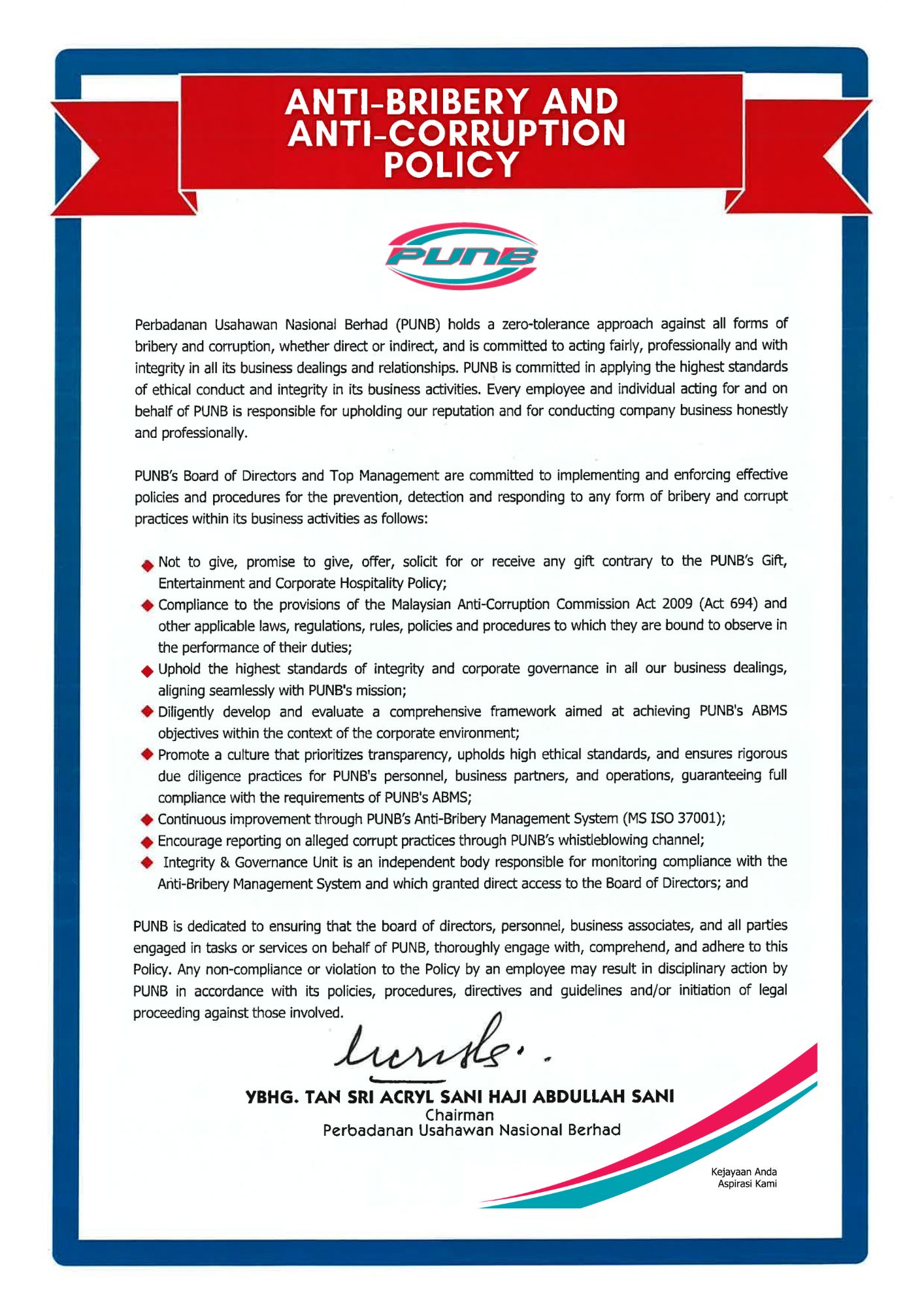
    Read Policy

    We Value Your Feedback!

      Question 1

      Overall Experience:

      How would you rate your overall experience on our website?

      Question 2

      Finding Information:

      How easy was it to find the information you were looking for?

      Question 3

      Helpful Section:

      Which part of our website was the most helpful for you?

      Question 4

      Website Expectations:

      Did our website meet your expectations?

      Question 5

      Likelihood to Return:

      How likely are you to return to our website in the future?